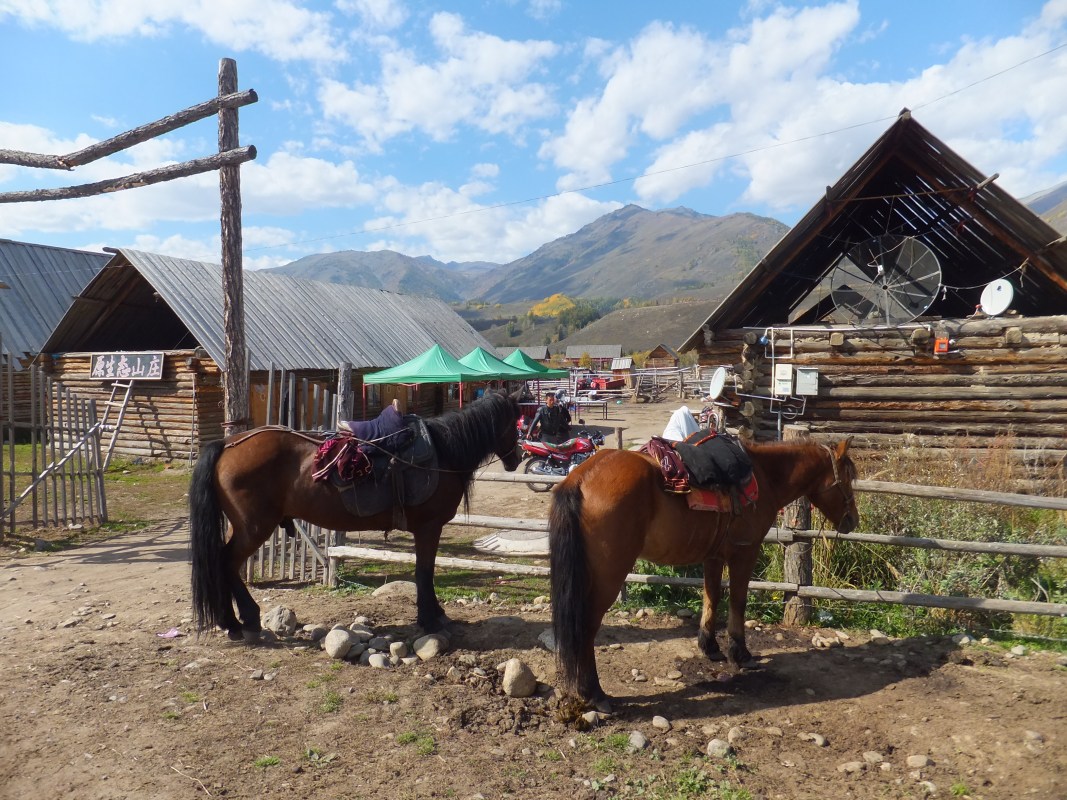
Northern Xinjiang is a place so magical that you continuously question whether your eyes are deceiving you. Despite it being late September and overnight temperatures dropping to zero degrees Celsius, endless patches of wild flowers still bloomed on the high-altitude steppes. Stepping out at dawn after a sleepless night in a freezing hotel, these flowers reminded me that an unimaginably beautiful day still lay ahead.
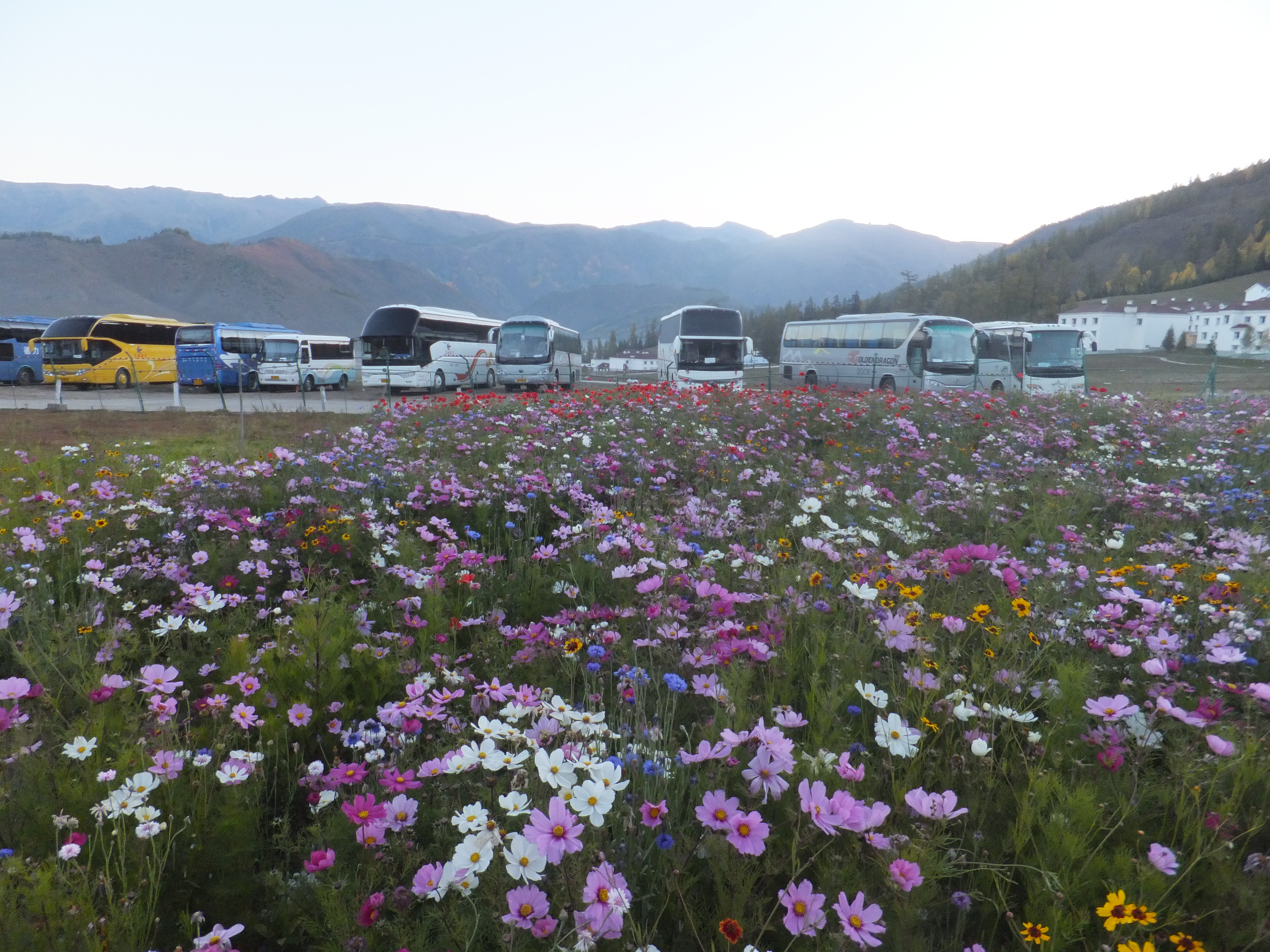
It was still lands inhabited by Kazakhs, and the landscape was dotted with their distinctive traditional huts. During the bus driver’s bathroom break, I snuck out to one of them and bought a tub of freshly made yogurt for a bout USD $.50- needless to say, it was the best dairy I have ever had.
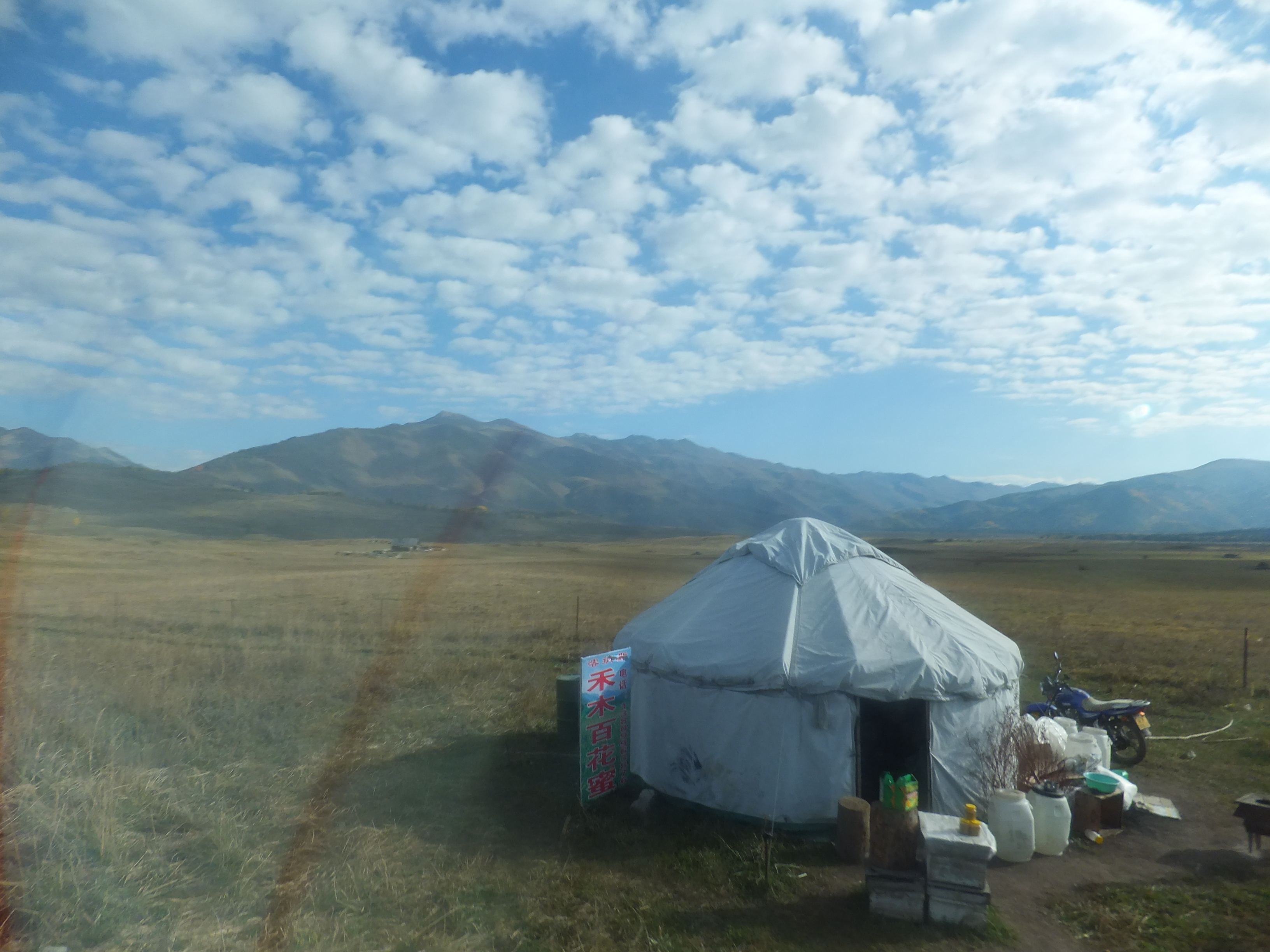 The highlight of this leg was a village named Hemu. Previously we spoke of the legacy of Genghis Khan in these parts. He is revered in every home as the first settler of the Kanas region. Hemu, in essence, is living proof of this legend. Its inhabitants, the Tuwa people, are distantly related to Mongols but speak a holistically different ancient Altaic language. They see themselves as a separate entity from Mongolian tribes, but revere Genghis Khan as an ancestor. It is said in the legends that they were descended from the first batch of Genghis Khan’s army who settled here.
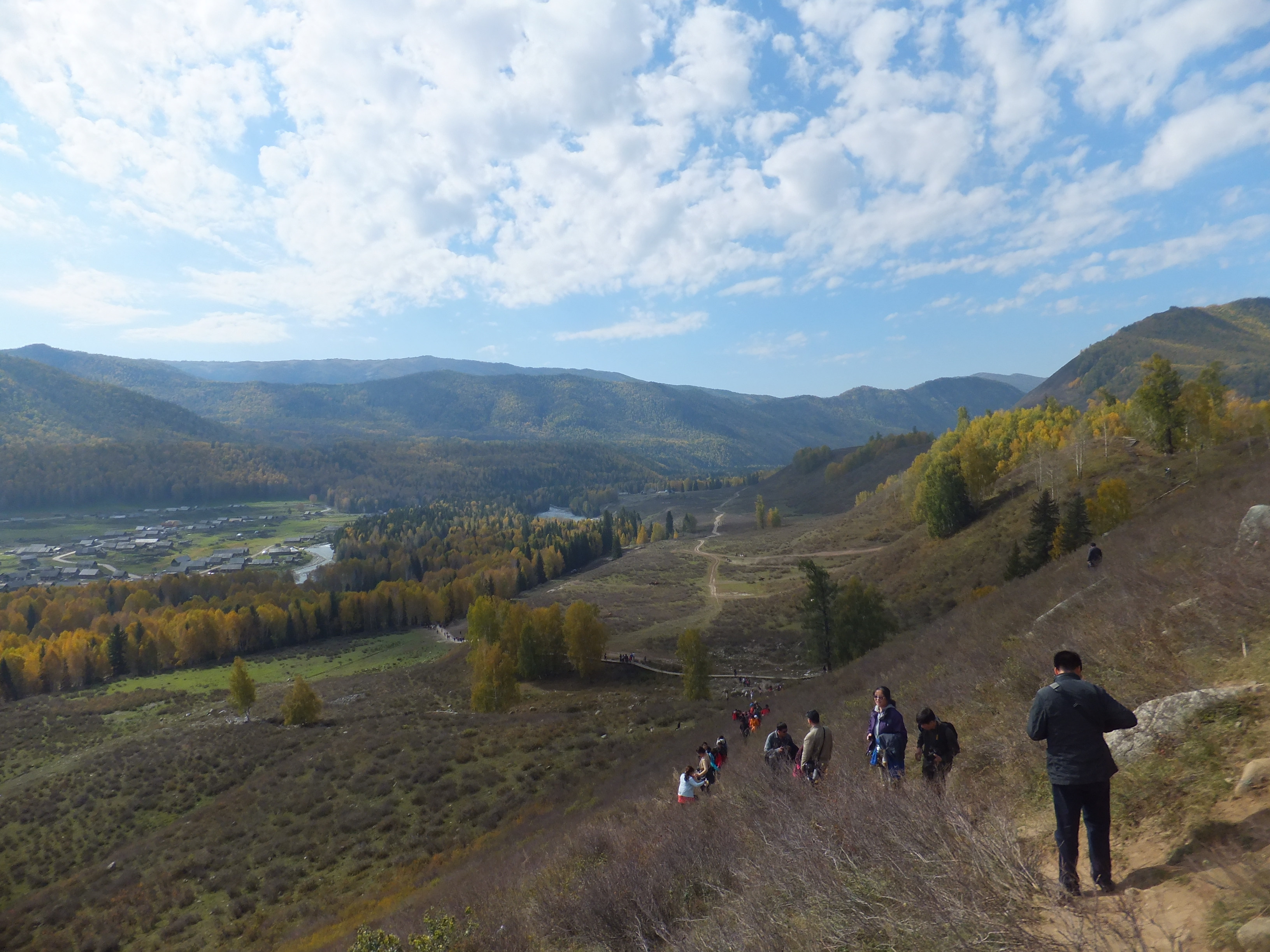
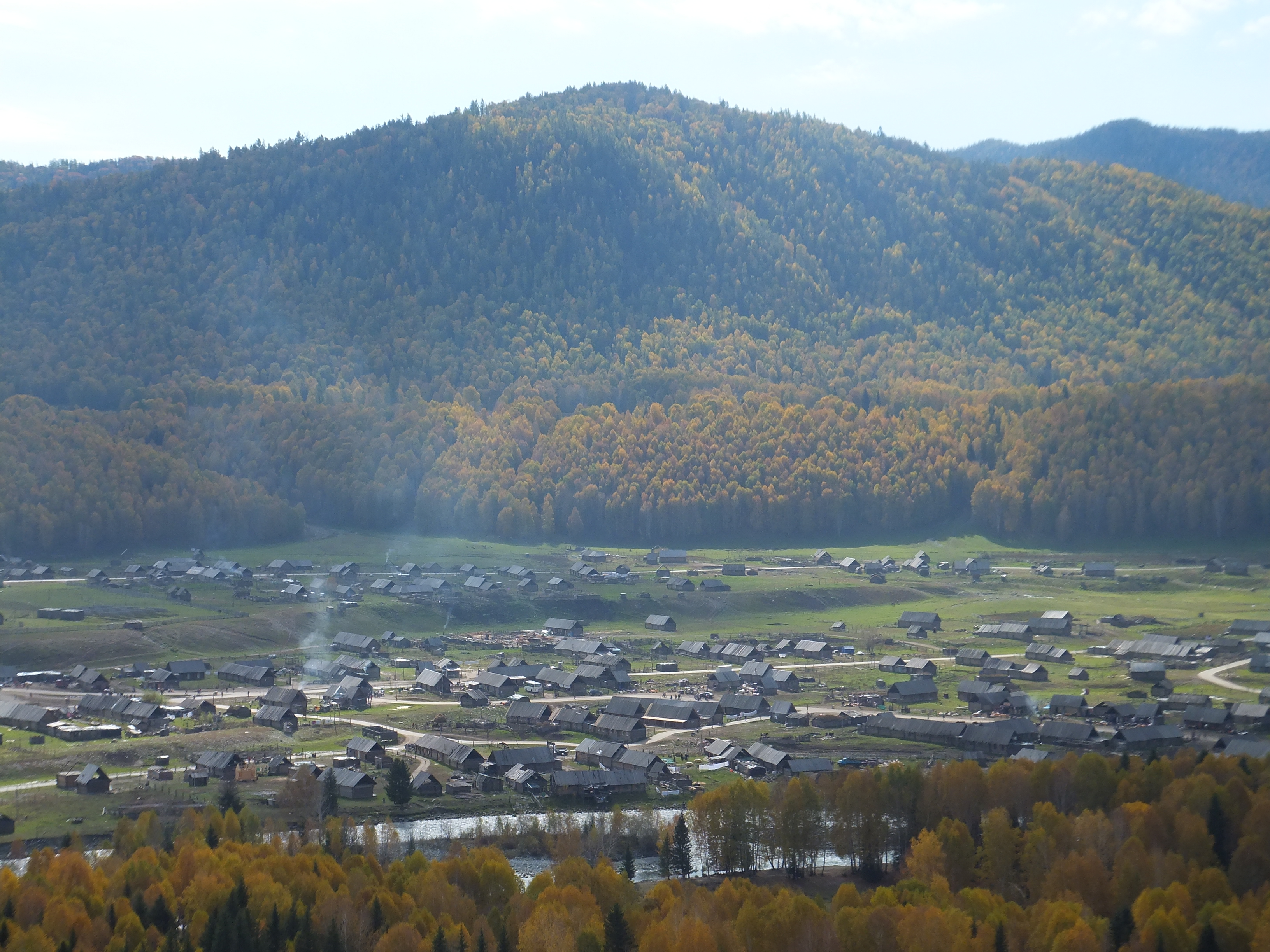
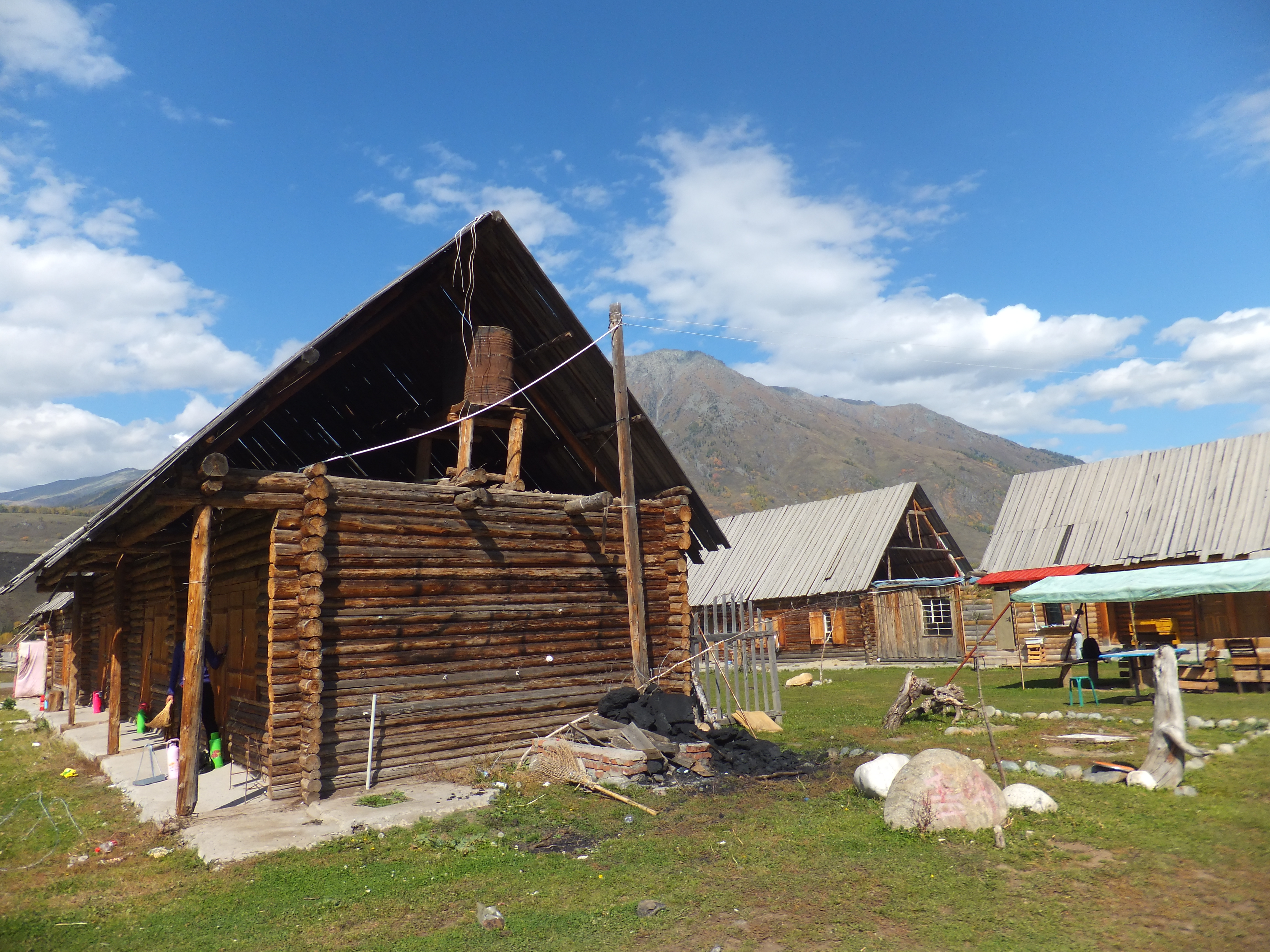
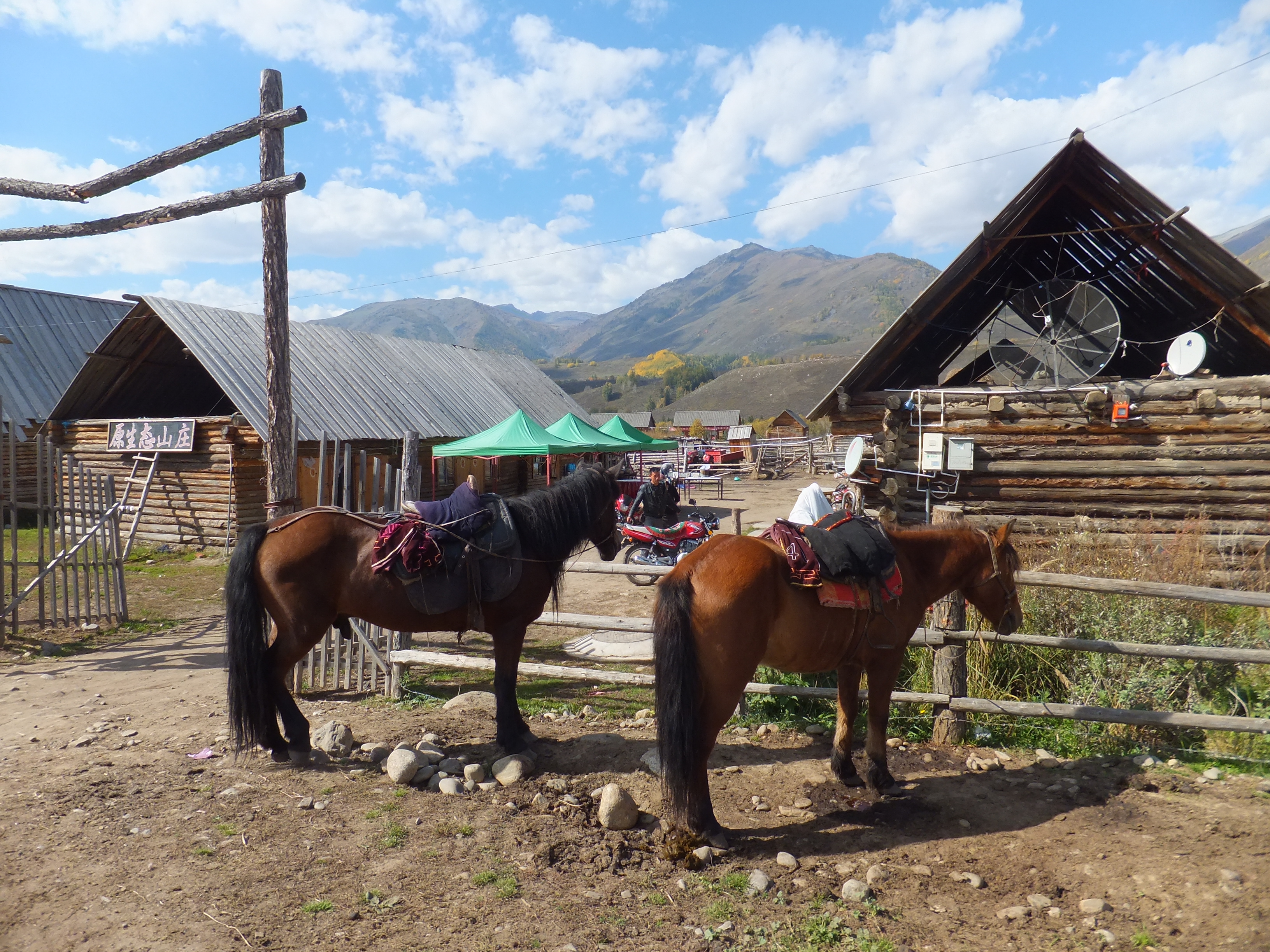
Hemu is a picturesque village surrounded by snow-capped mountains, golden fir forests, and the glacial waters of the Kanas River. The Tuwa, unlike the Kazakhs who roam the region, settled in neatly stacked log houses and travel on horseback across the mountains. I cannot imagine anybody who could come here and not lose themselves in the other-worldliness of all this beauty. My other life, as a former economic student and future policy analyst, was blown away by the wind. It just no longer mattered. Here, I was just another wandering traveler whose soul was cleansed by the scenes of the purest lifestyle on earth.
 Musings of a Leaf