2014 was ending with a series of big changes, and almost unconsciously I had begun to look for the destination of the big swansong trip to mark my impending departure from Southeast Asia. Being a lover of calm and quiet, I did not gravitate naturally towards India. Yet something was telling me it was a trip I needed to make. Was it because I have had close Indian friends all my life and had dutifully ploughed through both the Ramayana and the Mahabharata in college world lit class? Or perhaps it was the countless occasions spent discussing the caste system, the food, and the culture of the subcontinent? I counted Indian authors Salman Rushdie and Aravind Adiga as my favourites, watched (a few) Bollywood movies, worked with Indian clients on a daily basis, yet I had essentially zero understanding of the country. This was a trip that would connect the dots of my fragmented knowledge of India. And so, I boarded a flight to Delhi.
The two weeks that ensued was nothing short of overwhelming, and in many ways, life changing.
Delhi was a city steeped in history. It has been the Mughal Empire’s imperial capital since the 17th century, followed by similar stints under the British and finally the Republic of India. It was a huge, sprawling metropolis, where the extremes of India collided. Unfortunately, we were not able to experience the comforts of Delhi’s elite hotels and neighbourhoods, so what we did see was an overwhelming introduction to India – a rude awakening from dreamy expectations.
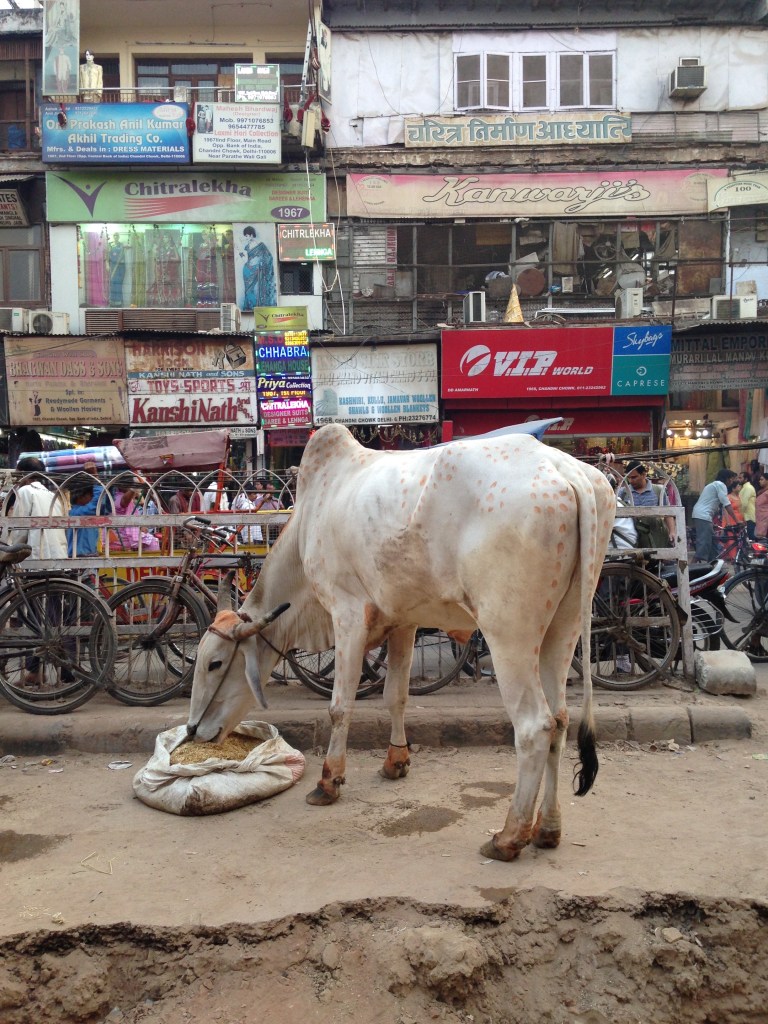
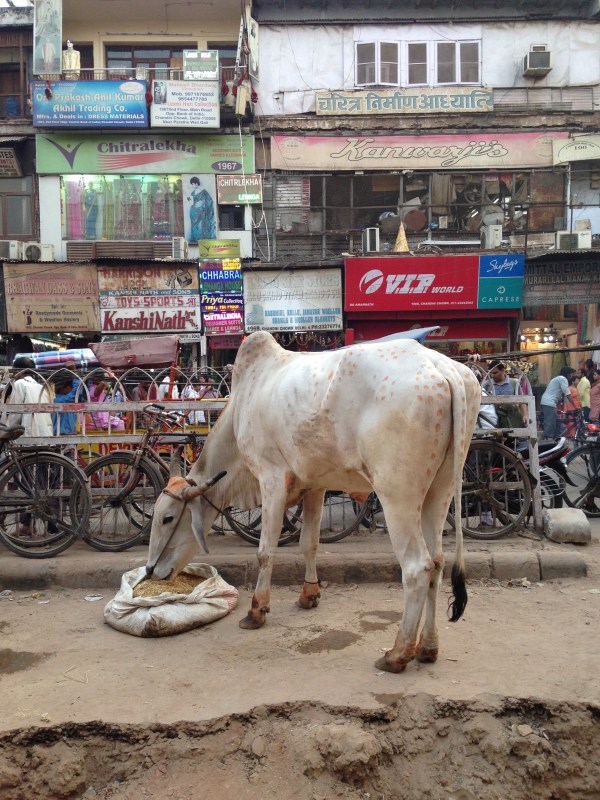
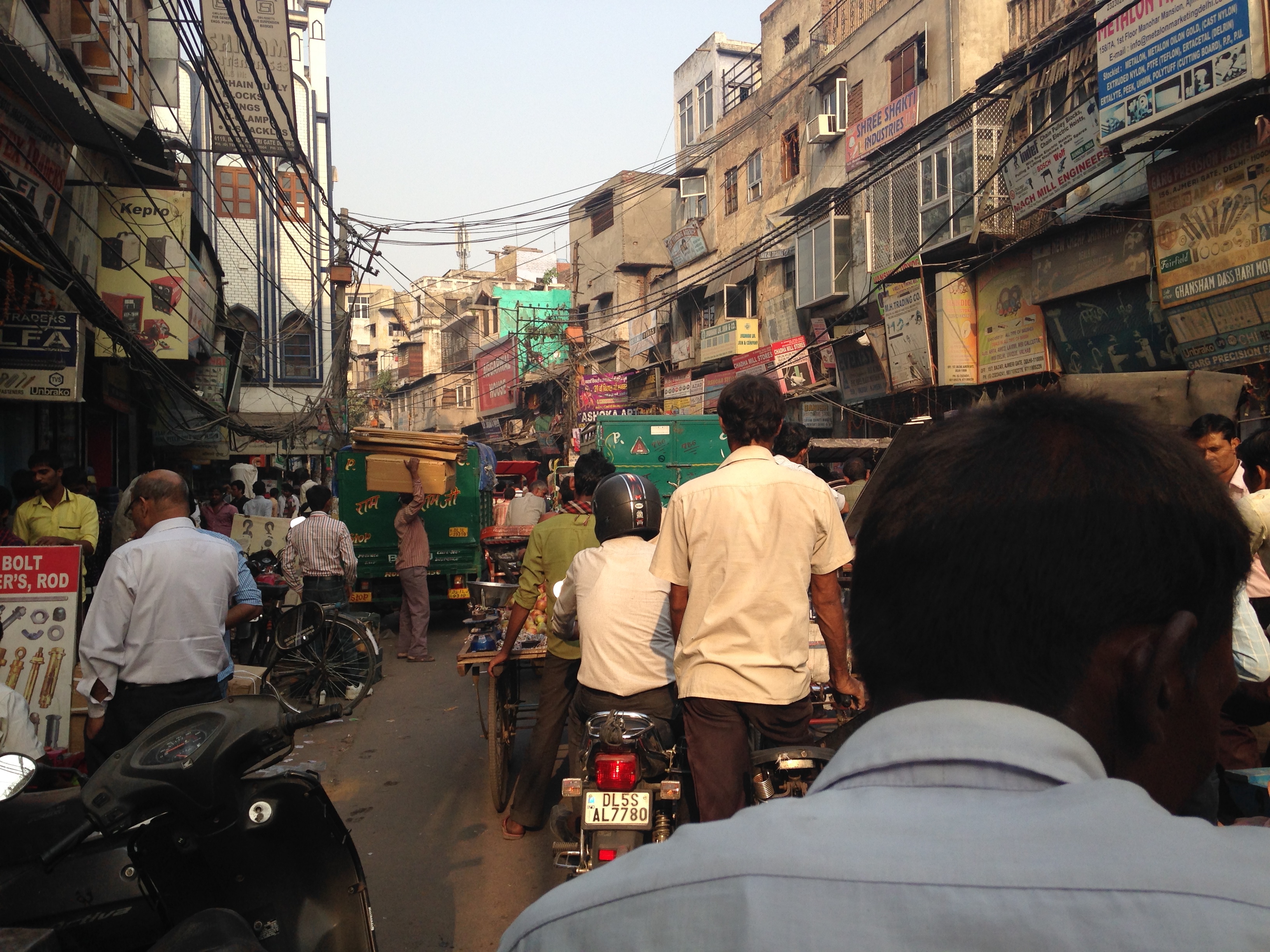
The infrastructure of Old Delhi – the original Mughal capital – was in shambles. The crumbling lanes of Chandni Chowk was a conglomeration of auto-rickshaws, cows, fruit sellers, peddlers, faeces, piles of trash, and seemingly idle swarms of men with hostility in their eyes. Everything was yellow, dusty, fumes of motorbikes flew into my nostrils and clouded my vision. Shrill horns and traffic provided the perfect accompaniment to this chaos. It was a sensory explosion, the power of sheer numbers squeezed into tiny 17th century streets. I wish I could say I was merely overwhelmed, but in reality I was terrified. It had required every last bit of my self discipline and willpower to push through the humongous crowds and make my way back to the hostel.
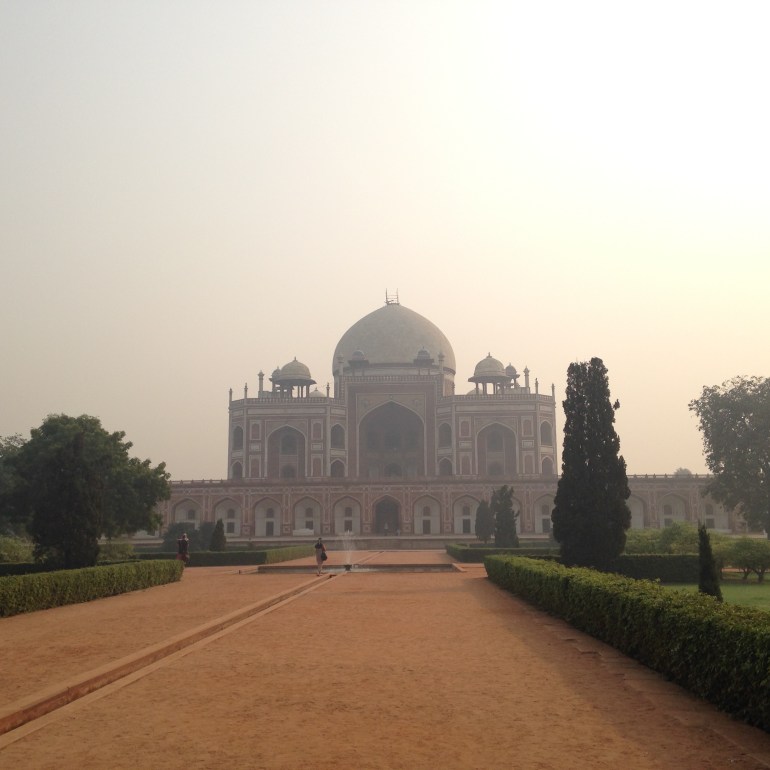
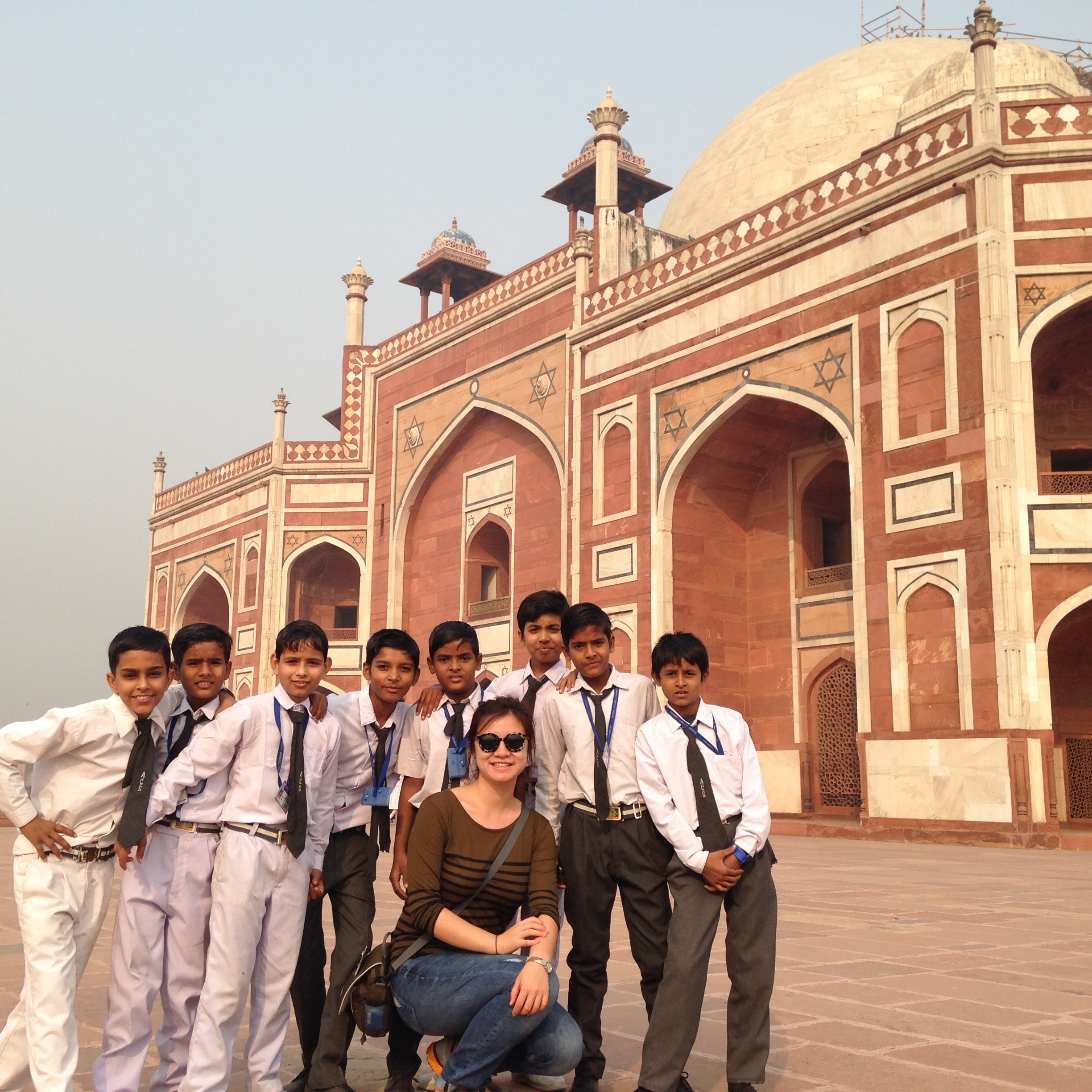
The next day we scoured the city for remnants of its Mughal past. Crazily enough they do exist, serenely, hidden amidst the unbearable traffic and crowds. One notable example was Humayoun’s Tomb, often referred to as the blueprint of the Taj Mahal. Few people were in the compound that morning, and strangely, tourists were allowed to roam around freely around the protected heritage buildings, admire the lemon trees, dodge packs of feral dogs, whatever. It was a glimpse into what Delhi may have been like for the privileged elite, a long long time ago.
As a foreigner, I did attract a lot of attention, perhaps a lot less than if I was a blue eyed blonde, but certainly enough to make me self-conscious and highly uncomfortable. People wanted to take photos with you because you’re Chinese – that’s crazy. Then again everything is relative. If the locals went to China and saw a billion people who looked like me, they’d be overwhelmed too. I thought of the story of how when the Maori first encountered Europeans, they thought the foreigners were so pale because they had no skin. Context is everything.
Our foray into Amritsar kickstarted the trip’s more exciting moments. Stay tuned.
 Musings of a Leaf