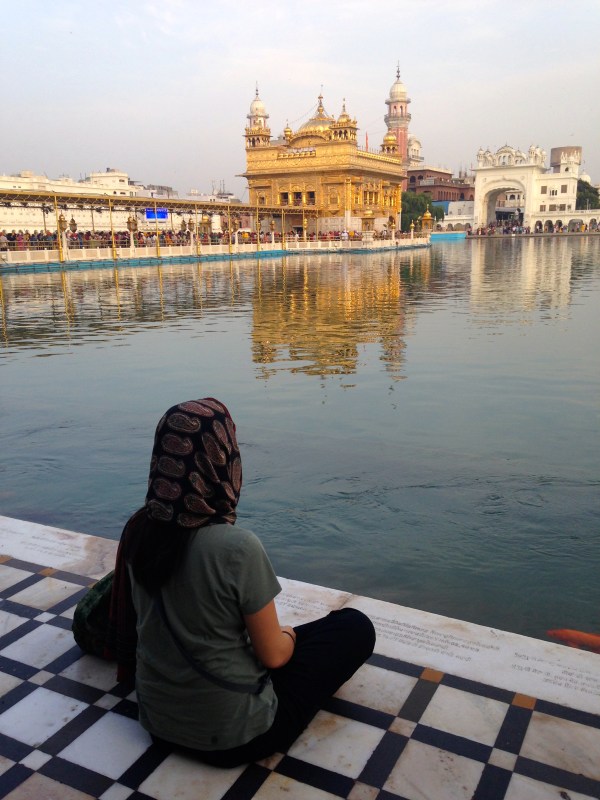
Growing up, I would often read about holy cities and tales of religious devotion. Mecca, Vatican, Lhasa, Amritsar – these were familiar but exotic names I had never thought to visit in my own travels. It wasn’t until visiting Amritsar, in fact, that I had a first taste of the meaning of piety.
The sprawling region of Punjab was a name coined from the words Punj and Ab, literally meaning “Five Rivers”. Before the Partition, the region covered large areas of Northern India and Pakistan, an impressive thought. Our north detour to Amritsar seemed an odd pairing with the traditional Golden Triangle itinerary, but we were drawn to the irresistibility of overnighting at the Golden Temple – the holiest place of Sikhism, sharing a moment of peace and devotion with the pilgrims, and in the process, getting to know another of India’s religious centres.
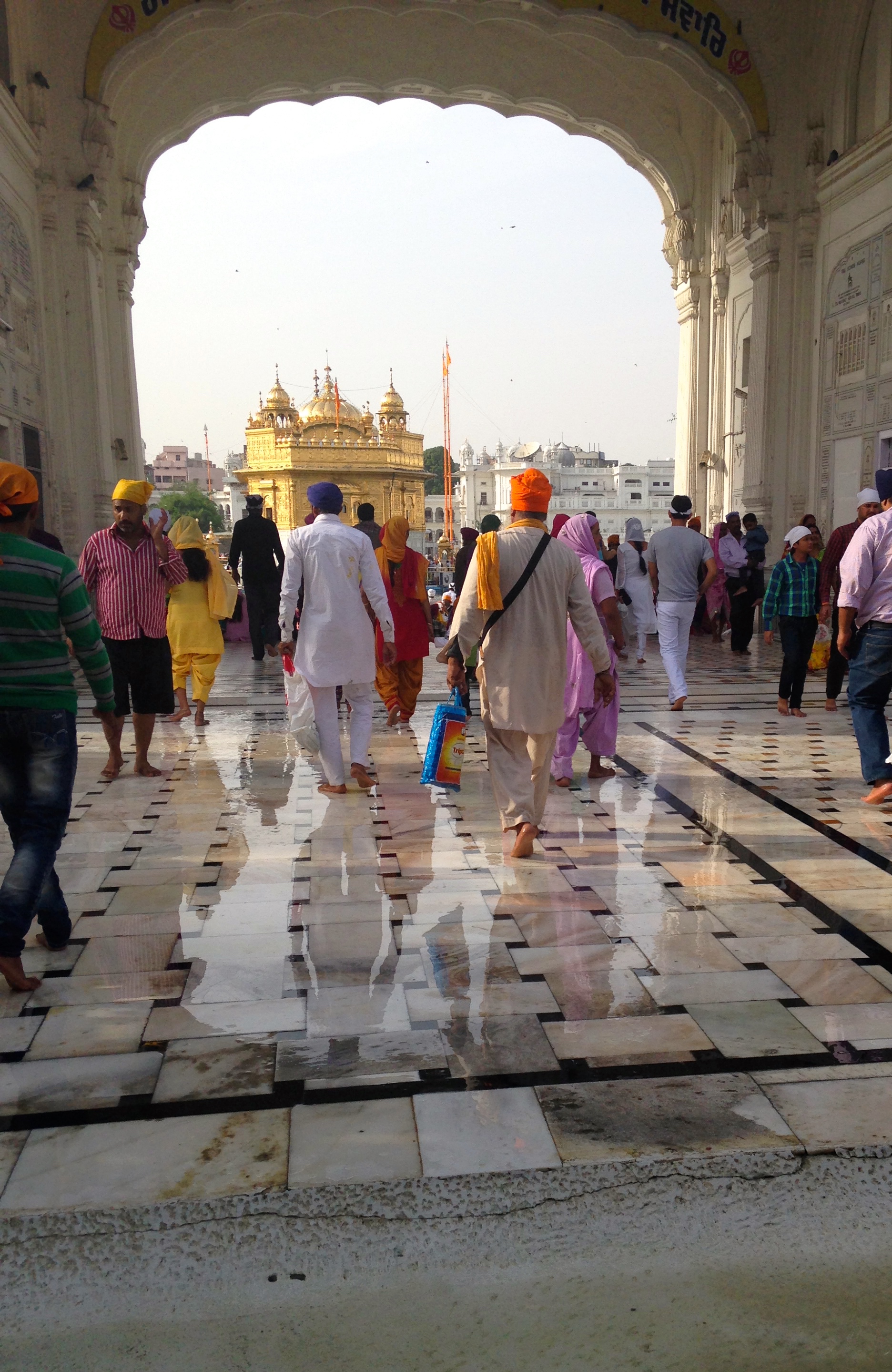
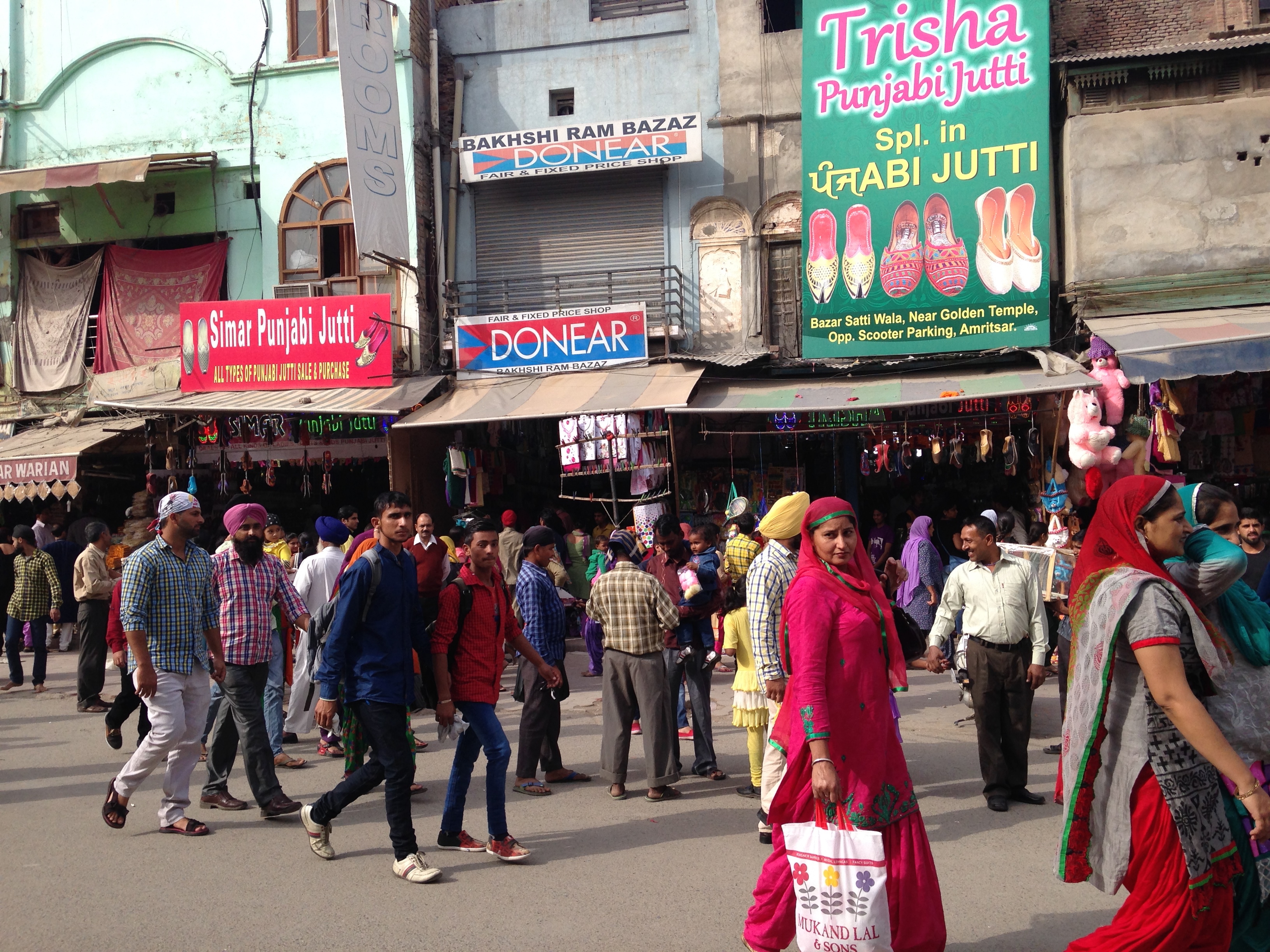
Stepping out from the Amritsar Train Station was already a breath of fresh air after hectic Delhi. Although auto-rickshaws horned in our faces as ever and cows nonchalantly pooped all over the place, the city felt…dare I say it…quaint. One really learns to appreciate the necessity of order after a stint in Delhi.
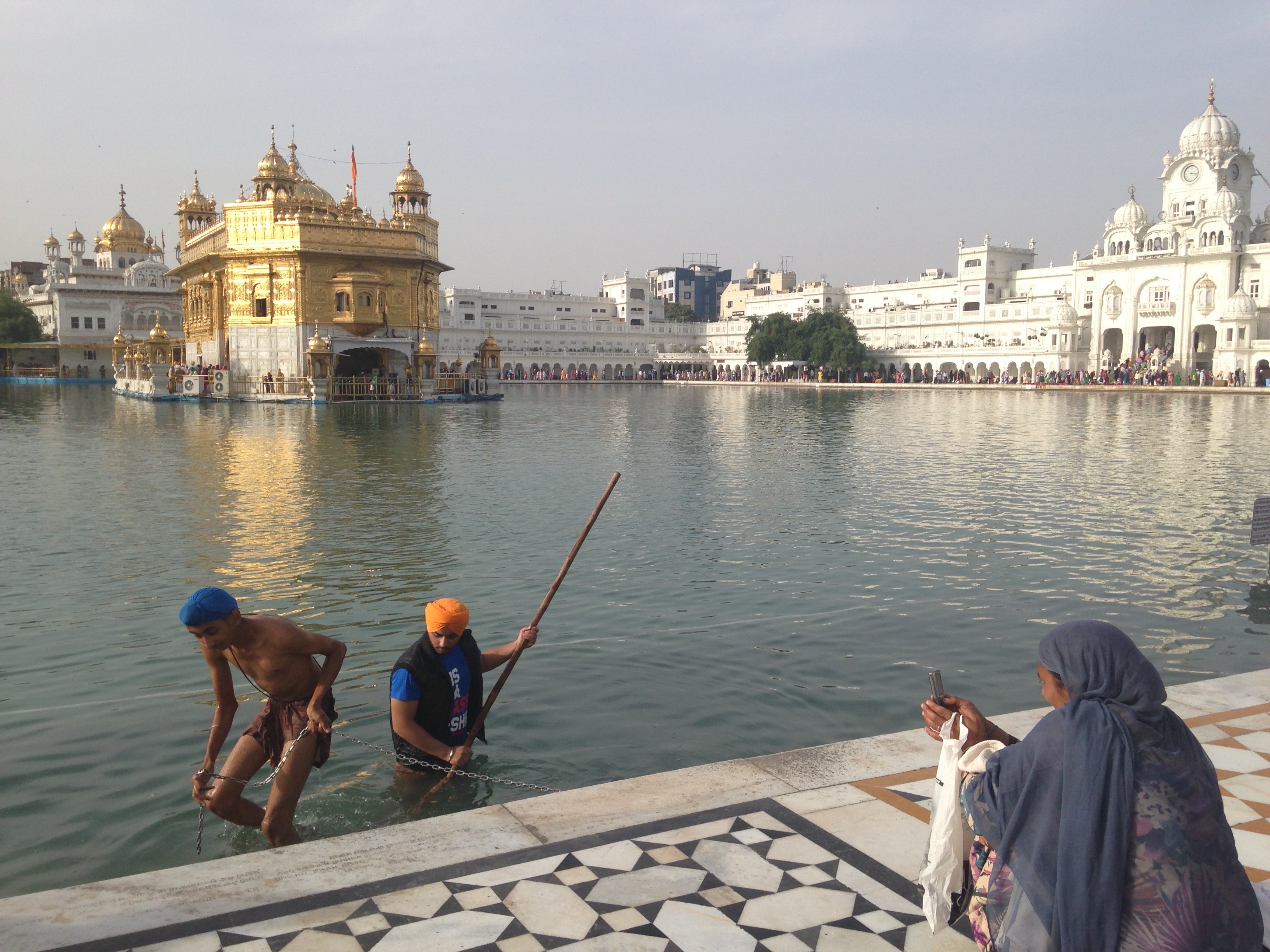
The local tourism scene revolved around the Golden Temple. Aside from providing free accommodation to all visitors in several niwas in the temple complex and serving simple but filling food in its langar, the temple was alive both day and night, with pilgrims performing sacred rituals around the Guru Granth Sahib Ji – Sikhim’s holy text and eternal living Guru.

After being slapped with a multitude of scams in Delhi, we freaked out pretty much when anybody approached us. This friend guard at the Temple, however, merely wanted to give us directions to the foreigners’ niwas. Words could not describe how welcoming his kindness was at this time of need.

The niwas itself was a one level compound with several bedroom-like enclosures and a row of beds lined up along the wall. Here, travellers camped out in forced camaraderie, battling bed bugs and body odour. Everyday saw the arrival of more exhausted backpackers seeking to calm down in the serenity of the temple compound, and as such, there are rarely vacancies here.
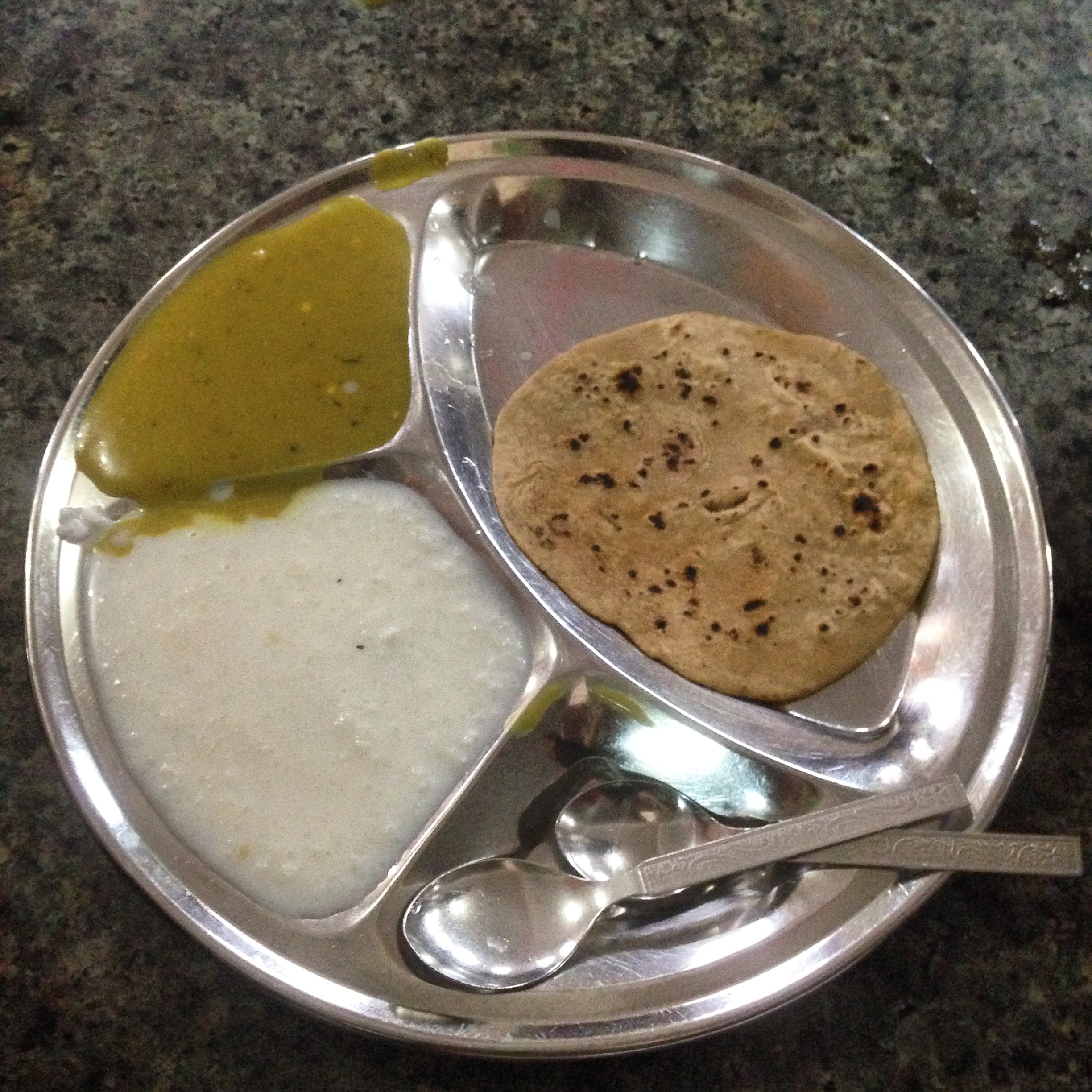
Sikhism was founded on the belief that all men are equal. In a rare feat of adhering to this principle, all visitors to the Temple, whether rich or poor, sat down to take a simple meal of chapati and dhal together in the communal dining hall. The food was simple and unpretentious, and could be refilled to your heart’s desire. The realisation that everything was prepared by the kindness of volunteers adds a deeper layer of gratitude as we ate. My friend YH, in fact, ate there an uncountable number of times, always the first to report teeny changes in the menu (a red dhal to to a green dhal back to a red dhal) to the weary niwas backpackers. 😉

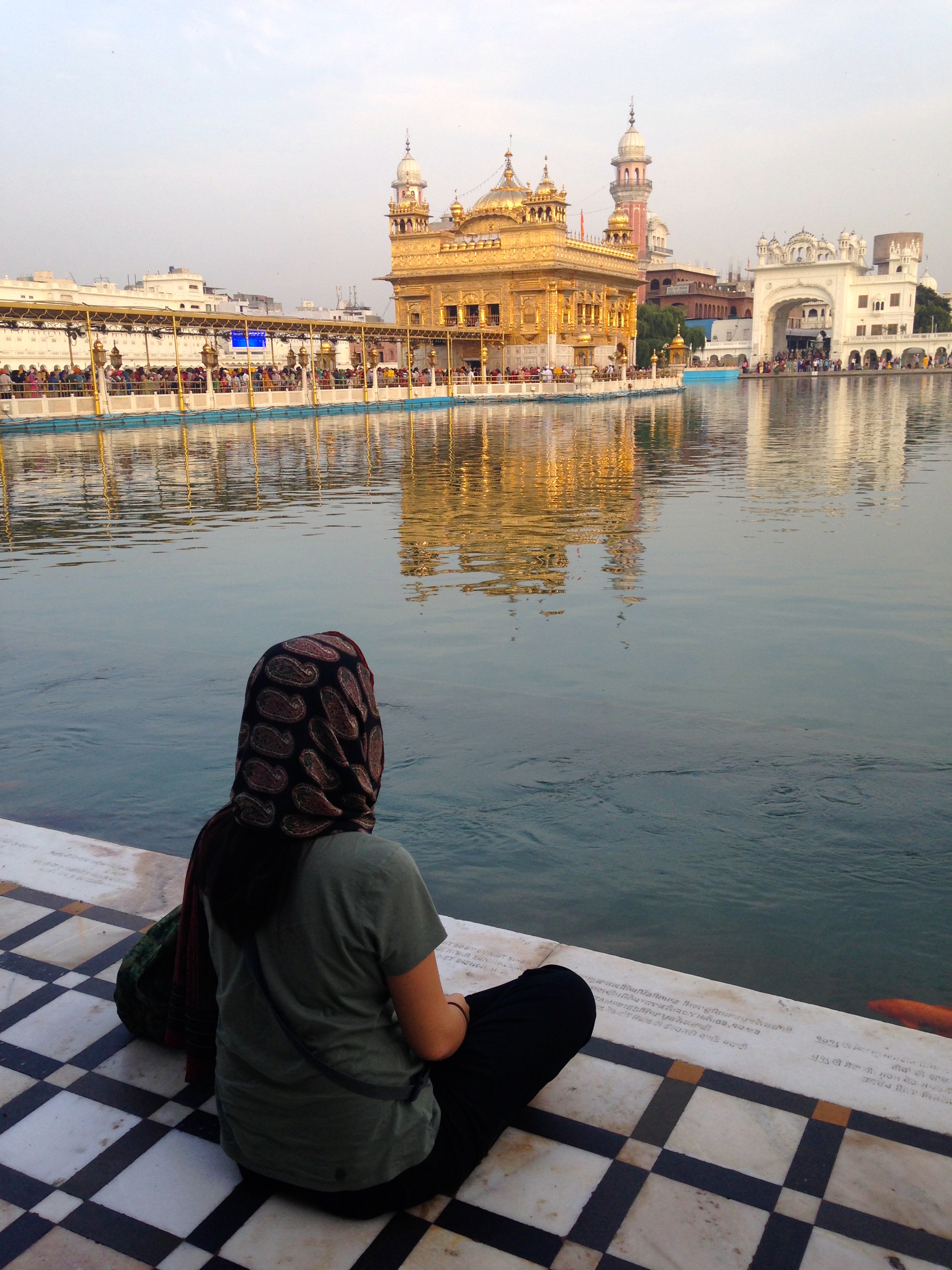
The devotion of pilgrims was awe-inspiring. They camped out collectively in the cold night and woke before dawn to say their morning prayers. As an atheist, I had searched and searched within myself for the key to fully appreciate the remarkable scene in front of me, but always failed by an inch or two. The Golden Temple was breathtaking in every sense of the word, but beyond its beauty, its historical importance, and its religious holiness, I was looking for the emotion it stirs up within the millions of Sikhs.
Maybe one day.
 Musings of a Leaf