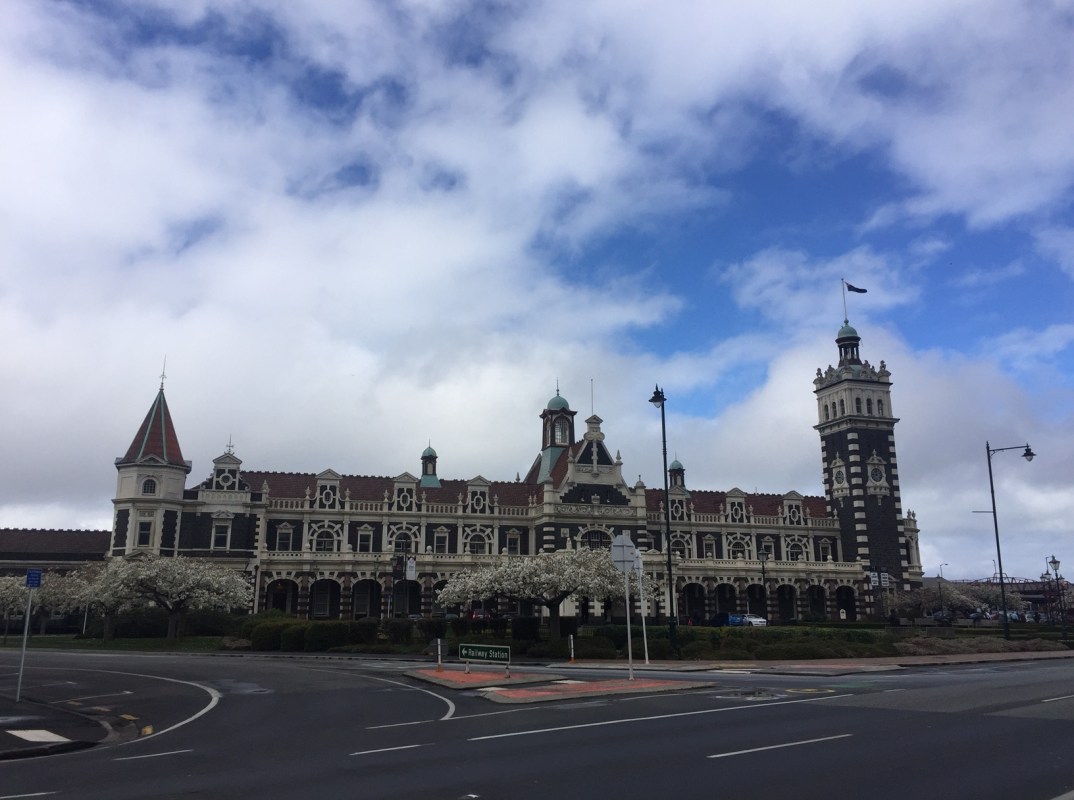
In Dunedin, a small city at the southern edge of New Zealand, things were non-descript at first.
1980s boxy buildings. A misty concoction of wind and drizzle standard for early spring. “Don’t talk to us about the weather here, we know how bad it is, ” a local man had warned me with a twinkle in his eye. People scurry along damp pavements in overcoats of brown and slate, heads bowed to brace the blistery Southerlies. Under the overcast sky, their clenched faces looked grey too.
I had travelled south to interview social workers and NGOs who worked with children in foster care. In a pale meeting room adjacent to the local Work and Income Office – where people came to apply for benefits and social services – they told us stories. Stories of children who set their houses on fire, children who moved through 74 placements because nobody wanted them, children whose cognitive disability couldn’t be diagnosed even after assessments made by three hospitals, children who were sent up to Auckland and taken away from the only thing that sustained them – a passion for rugby.
They spoke endlessly, voices impassioned with a tinge of distrust.
“What these children are going through is disgraceful. Is there somebody in the National Office, anyone, who’s figuring out what to be done?”
“I am based in the National Office, I can assure you that’s exactly what we’re doing.” I heard my own voice giving the politically correct answer, but I wondered if they could detect the pleading undertones simmering beneath the measured response.
I wasn’t from the National Office. I was a consultant stationed there for a few months. After this project finishes, I could be sent to the fluorescent corporate headquarters of a bank, crunching out the productivity of their employees through scores of spreadsheets. This interview will have been a thing of my past.
But for the children and the people who work with them, this is their present and their future. How do I transfer the weight of my emotions, the heaviness of my heart, and the determination to build tangible change to my successors? How much am I truly willing to give up, bearing the emotional toll inflicted by the system while battling politics and bureaucracy?
I couldn’t answer those questions. Maybe I never will. Perhaps the true meaning of working in social services comes only with consistency. These are people’s lives, not an idealistic millennial’s selfishly selfless fantasies. There can be no pride in our work until we have sacrificed and toiled and stayed on the ground until we witness change in its permanency. Consistency.
As I stepped out in a post-interview haze, I locked locked eyes with a family of Syrian refugees waiting in line at Work and Income.
“We recently took in 1000 refugees into the city,” the voice of one site manager rang in my head, “but we don’t have the right cultural resources to serve them. A lot of those kids can’t live with their birth families, but we don’t have Muslim families that can take them in…”
His brows furrowed, the father stared blankly into the void. The mother watched over her husband, dark eyes radiating tenderness and concern. Only the toddler, a little girl with bright eyes and soft brown curls, pranced happily as she played with Lego blocks sprawled across the floor. Carefree – in a world of her own making.
I couldn’t help but smile, and so did she.
 Musings of a Leaf